
 [[{“value”:”
A yen for the old country lies behind this Argentinian retro TV build, one of our favourite articles from the brand-new issue of Raspberry Pi Official Magazine — out today!
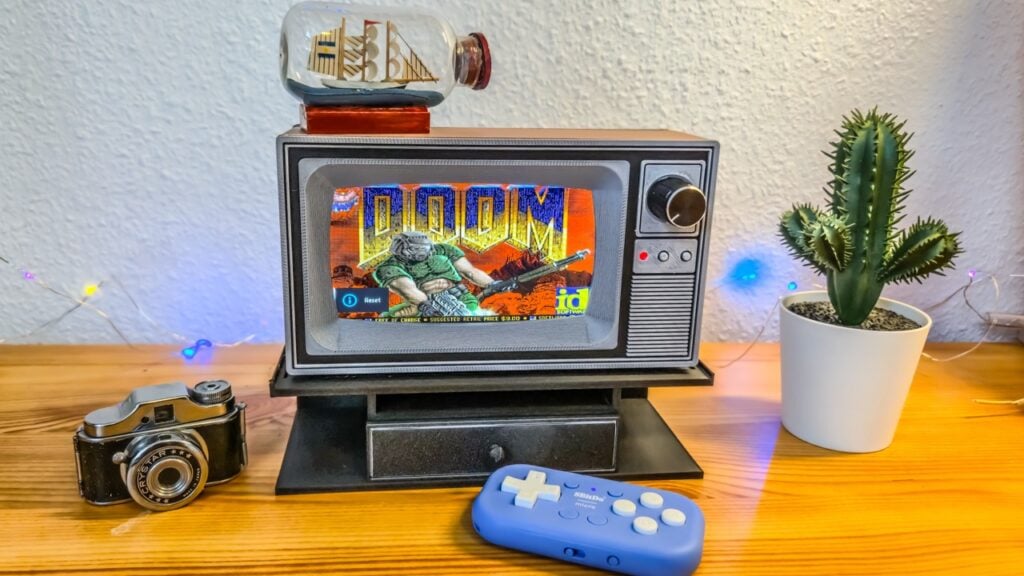
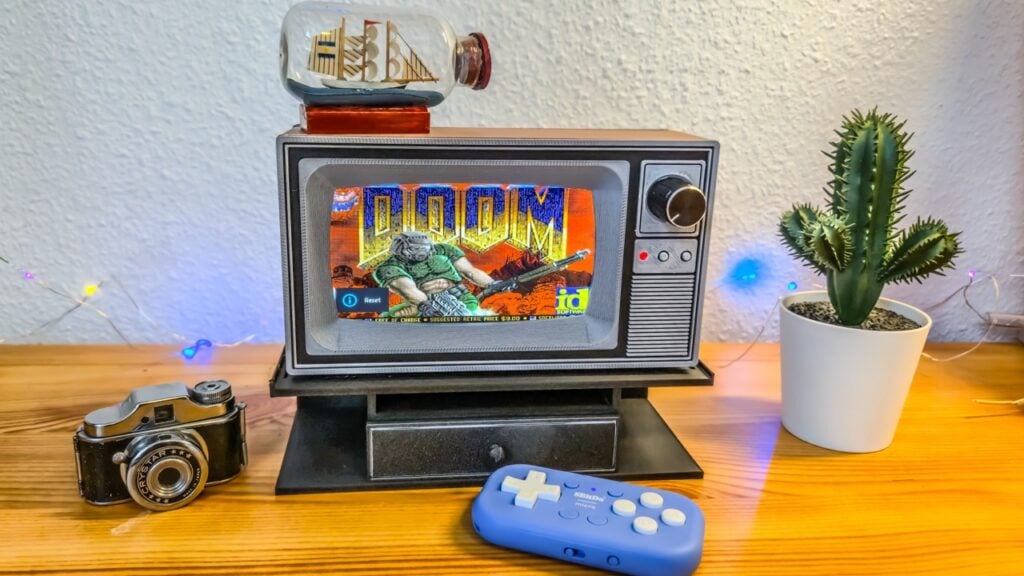
Cybersecurity and systems engineering expertise brought Ricardo Sappia to the attention of high-tech companies in Germany, where he has lived and worked for more than a decade. But his adopted home is a very long way from where he grew up in Argentina, and maintaining a connection with his South American roots isn’t always easy. TVArgenta, which he designed around a Raspberry Pi 4, allows Ricardo to call up video clips, jingles, photos, and Argentinian TV shows from his childhood. It’s also a powerful way to connect his German-born children with their father’s heritage.
“TV commercials from the 1990s are more than just short ads: they are memory anchors — jingles, lines, and little cultural signals that smell like home,” he explains. Ricardo says TVArgenta became “a cultural bridge” and a way to tune in to the world he grew up in. It’s also an easily adaptable project: from the outset, Ricardo intended the TV-surfing experience he devised to be something other makers could run with and adapt to their own stories.
Gathering momentum
Ricardo relishes Raspberry Pi because it “perfectly fits the intersection of creativity, accessibility, and engineering”. He uses it to prototype ideas that connect the digital and physical worlds, from nostalgic devices to modern dashboards, in a way that feels both technical and artistic. TVArgenta is a case in point: an offline, retro-style television on which you can ‘zap’ through old adverts, “static, channel noise, and all”. The idea can be replicated by anyone with a similar nostalgic urge to recreate a “local cultural experience”.
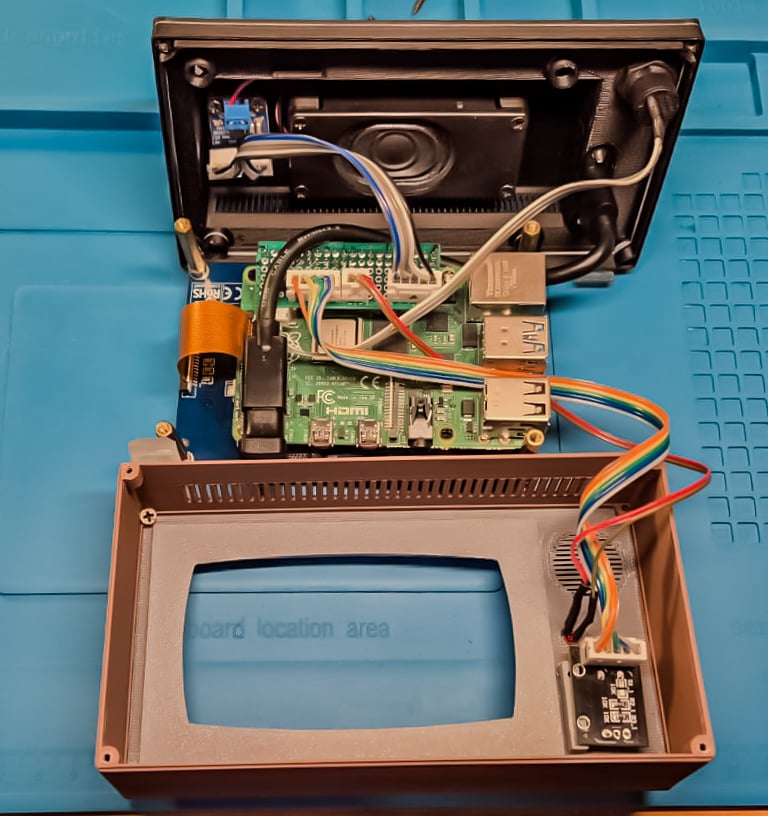
Ricardo’s previous Raspberry Pi make was Dashi, a fitness dashboard intended to cajole him into building up his activity levels as he recovered from a running injury. It used a large language model (LLM) to generate motivational quotes and deliver them via an on-screen fox avatar. Dashi could also pull training data from Strava and Garmin, along with live weather updates and a real-time clock. He used a similar idea for TVArgenta, combining a Waveshare display with on-screen widgets linking to video clips, adverts, and shows. He initially used Raspberry Pi Zero W, but switched to a 2GB Raspberry Pi 4 to take advantage of its GPIO connectors, encoder support, and audio interface, also connecting it directly to a DSI touchscreen. This low-power setup nonetheless provides smooth video playback.
Slick visuals
Ricardo describes Raspberry Pi as the heart of his project, running both the back end that manages content and metadata and the user interface. There’s a power button, an LED to show it’s switched on, and a rotary dial to change channels, just like a classic TV set. Videos of old TV shows play smoothly in Chromium.
This aspect took the most finessing. Ricardo found there was a lot of trial and error in getting the visuals to run smoothly and in sync, “especially the overlays with nineties-style effects”. He eventually decided to handle the video and overlay rendering through Chromium, taking advantage of its direct GPU acceleration.
Raspberry Pi provided great versatility, kept project costs affordable, and ensured a polished experience. It meant “being able to go from prototype to polished product on the same hardware”. Ricardo says it was also a huge advantage to draw on the Raspberry Pi community.
Raspberry Pi 4’s physical size lent itself well to his mini TV ambition, and the SD card meant he could keep it fully offline and self-contained. “Honestly, I can’t imagine another platform I’d feel as comfortable working with when thinking about this kind of project.”
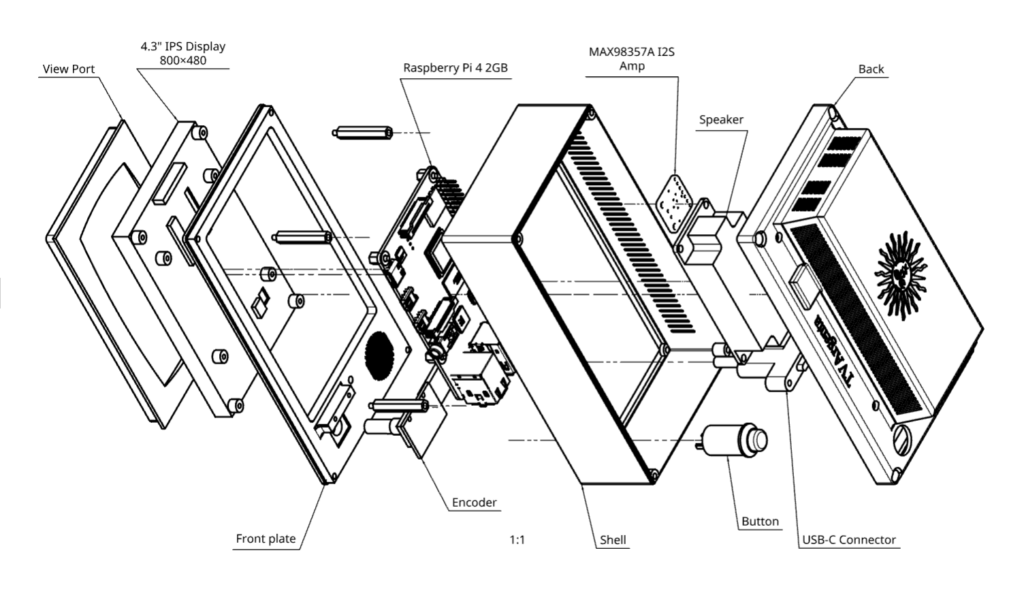
TVArgenta’s 3D-printed case holds a 4.3-inch Waveshare capacitive touchscreen display, a micro speaker and subwoofer with a 3W amp, a rotary encoder, and a power port. Under the hood, Raspberry Pi 4 is connected to perfboard circuits. These boards are ideal for the precise yet isolated circuitry and electrical pads Ricardo wanted.
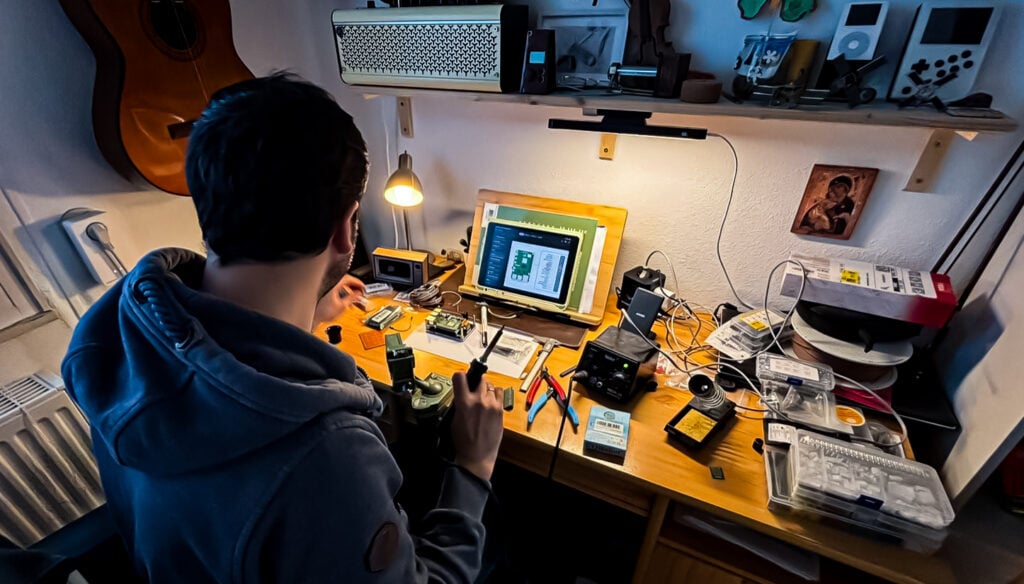
Having nailed the initial concept, Ricardo recently developed TVArgenta further to include a radio mod and a remote control (we’re certain he must have already lost it down the back of a tiny sofa), along with added overlays for that authentic 1990s vibe. You can watch a video of TVArgenta in action above.
The new issue of Raspberry Pi Official Magazine is out now!
You can grab this issue from Tesco, Sainsbury’s, Asda, WHSmith, and other newsagents, including the Raspberry Pi Store in Cambridge. It’s also available from our online store, which ships around the world. And you can get a digital version via our app on Android or iOS.
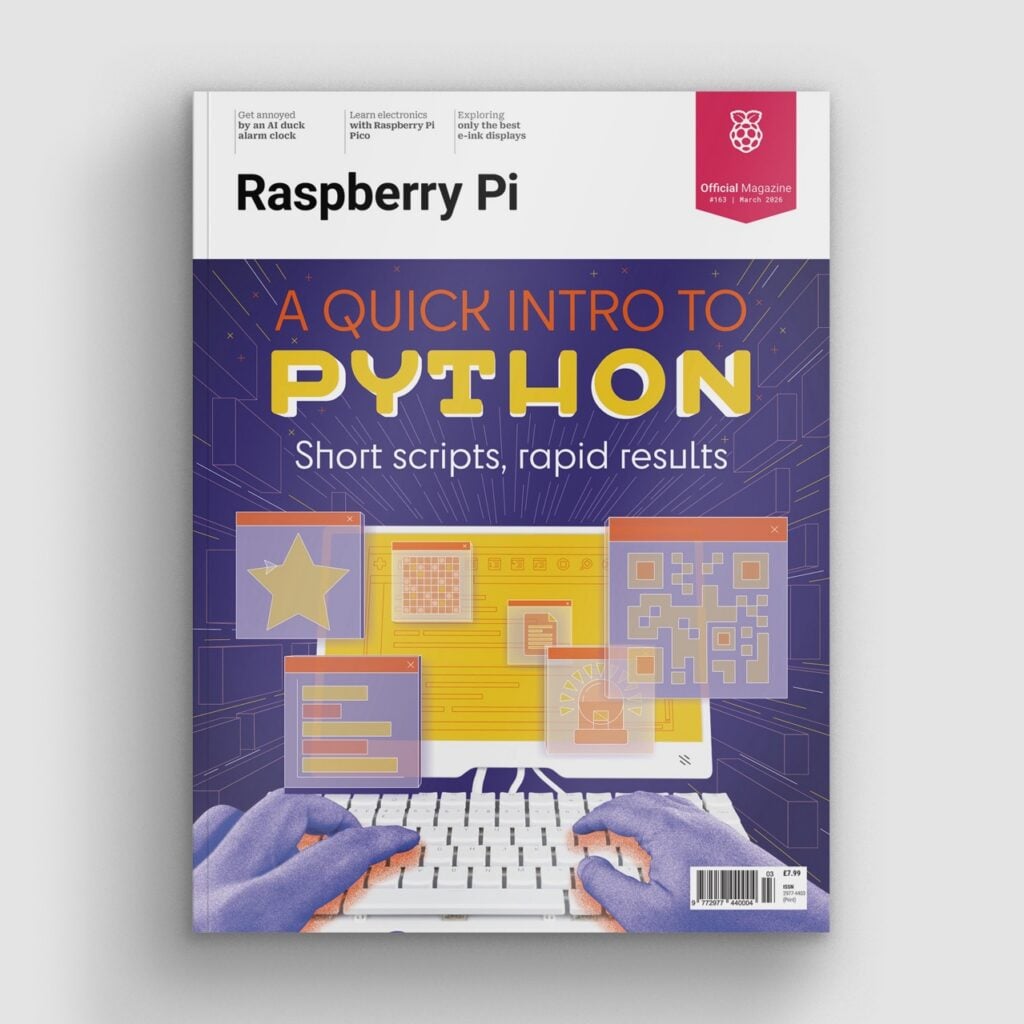
You can also subscribe to the print version of our magazine. Not only do we deliver worldwide, but people who sign up to the six- or twelve-month print subscription get a FREE Raspberry Pi Pico 2 W!
The post TVArgenta: Reviving retro Argentinian TV appeared first on Raspberry Pi.
“}]]


This Post Has 0 Comments