
 [[{“value”:”
Keeping your messages in sync across your iPhone, iPad, and Mac makes communication much easier. You can start a conversation on one device and continue it on another without losing context. Apple handles this through iCloud, which keeps everything updated in the background.
In this guide, you will learn how message syncing works, how to set it up on each device, and how to fix common issues so your messages stay perfectly aligned everywhere.
Table of Contents
- How Apple Message Syncing Works
- What You Need Before Syncing Messages
- How to Enable Messages in iCloud on iPhone and iPad
- How to Sync Messages Between iPhone and Mac
- How to Sync SMS, MMS, and RCS Messages on Mac and iPad
- How to Manage Message History and iCloud Storage
- Fix Messages Sync Issues Between iPhone, iPad, and Mac
- Final Thoughts
How Apple Message Syncing Works
iMessage works over the internet and syncs automatically across Apple devices. When you send, delete, or receive a message, the change is uploaded to iCloud and then pushed to your other devices. If you set up a new device using the same Apple ID, your message history will appear there as well.
SMS, MMS, and RCS messages rely on your carrier and require Text Message Forwarding to appear on your iPad, Mac, or Apple Vision Pro. This feature is powered by Apple’s Continuity ecosystem.
No matter which method you use, your messages remain end-to-end encrypted. This means even Apple cannot read your conversations, keeping your data private and secure.
What You Need Before Syncing Messages
Before turning on message syncing, make sure everything is set up properly.
- Apple ID requirements: All devices must be signed in to iCloud using the same Apple Account.
- Privacy settings: iCloud Keychain and two-factor authentication must be enabled.
- iCloud storage: Large message histories, photos, and videos use storage, so make sure you have enough free space.
- Internet connection: Your iPhone must be powered on and connected to Wi-Fi or mobile data.
How to Enable Messages in iCloud on iPhone and iPad
Start with your iPhone, since it typically handles all messaging.
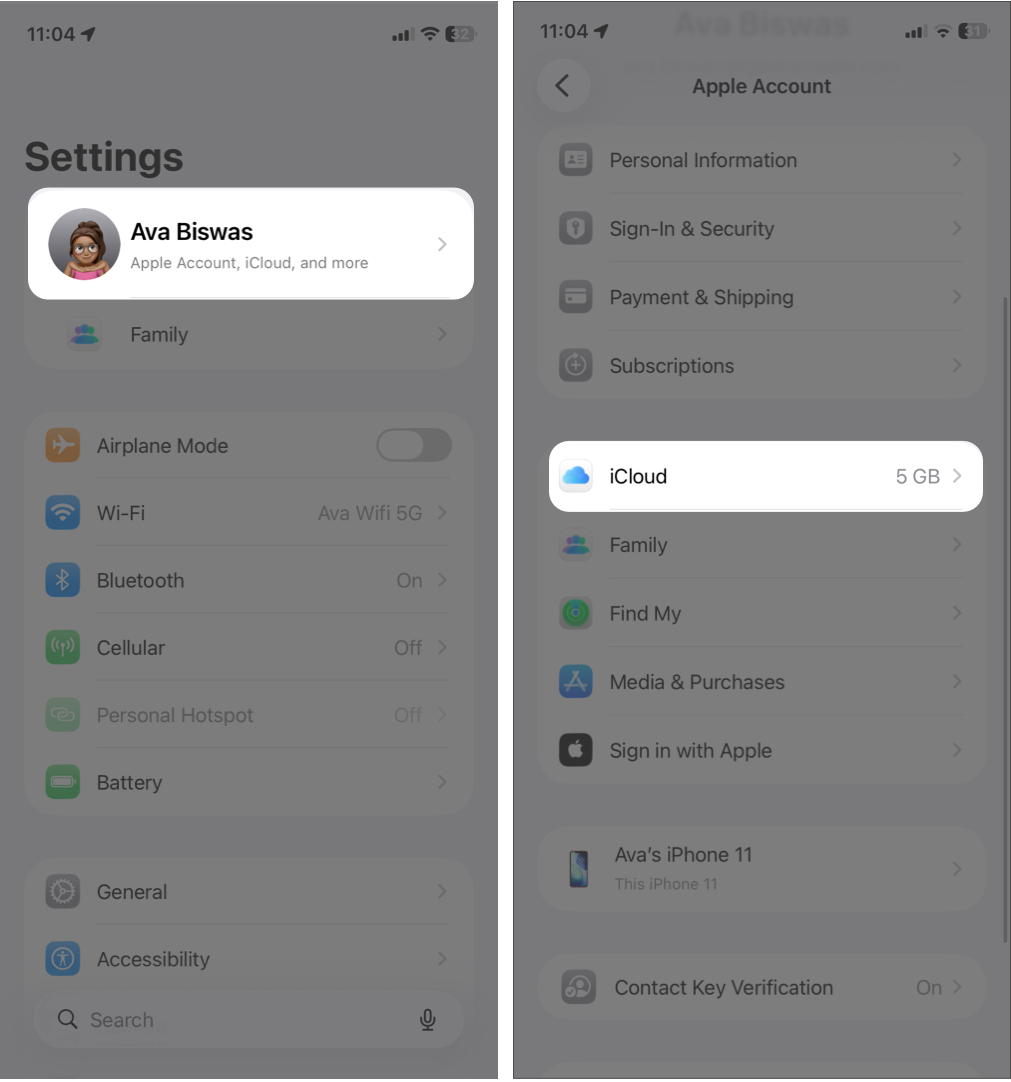
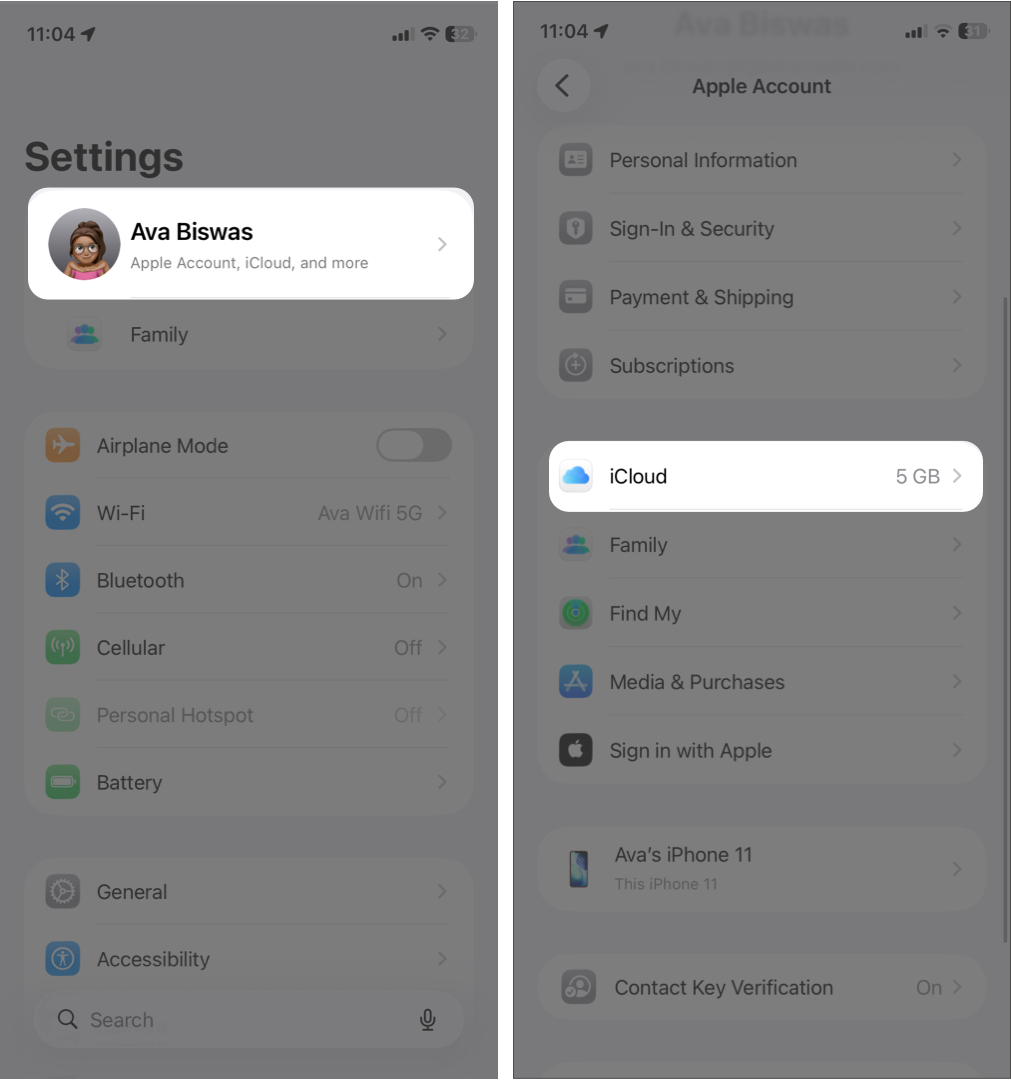
- Open Settings and tap your Apple ID name.
- Select iCloud.
- Tap Messages under Saved to iCloud.
- Toggle on Use on this iPhone.
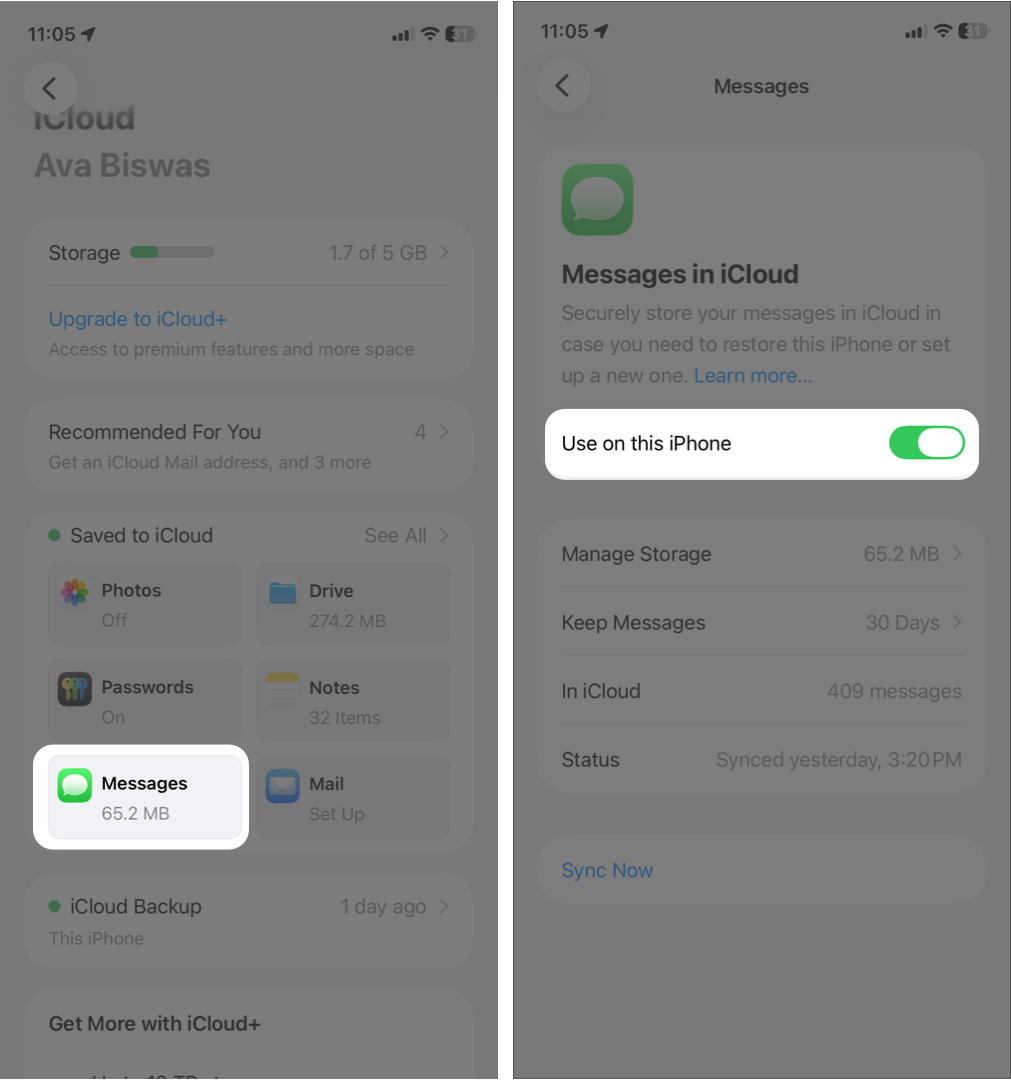
All messages and attachments you send or receive will now be stored in iCloud.
Follow the same steps on your iPad to sync iMessage, SMS, MMS, and RCS messages. Make sure your iPad is signed in with the same Apple ID as your iPhone.
How to Sync Messages Between iPhone and Mac
If you have never used Messages on your Mac, you will need to set up iMessage first. Open the Messages app and sign in with your Apple Account email address and password.
To enable iCloud syncing for Messages on Mac:
- Launch the Messages app.
- Go to Messages in the menu bar and select Settings.
- Open the iMessage tab.
- Check Enable Messages in iCloud.
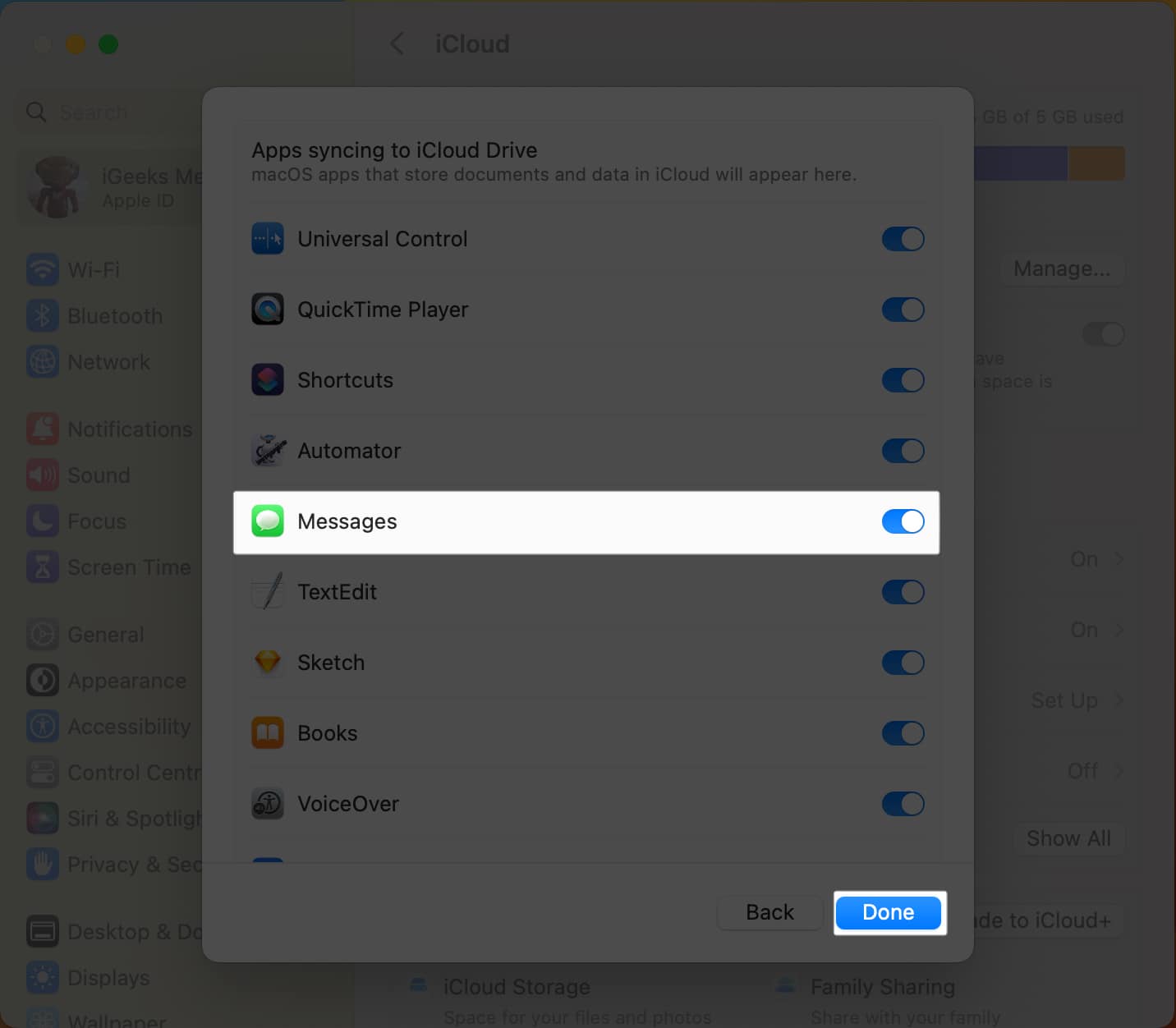
- Choose which phone numbers and email addresses you want to use for messaging on your Mac.
All messages sent or received on your Mac will now sync with your other devices. Initial syncing may take several minutes or longer, depending on your message history and internet speed.
How to Sync SMS, MMS, and RCS Messages on Mac and iPad
Messages in iCloud stores iMessages, SMS, MMS, and RCS texts, which can use significant iCloud storage. If you are low on storage or do not want everything synced across all devices, you can use Text Message Forwarding instead.
This lets you choose specific devices to receive text messages without using iCloud. iMessages will still sync normally.
On iPhone:
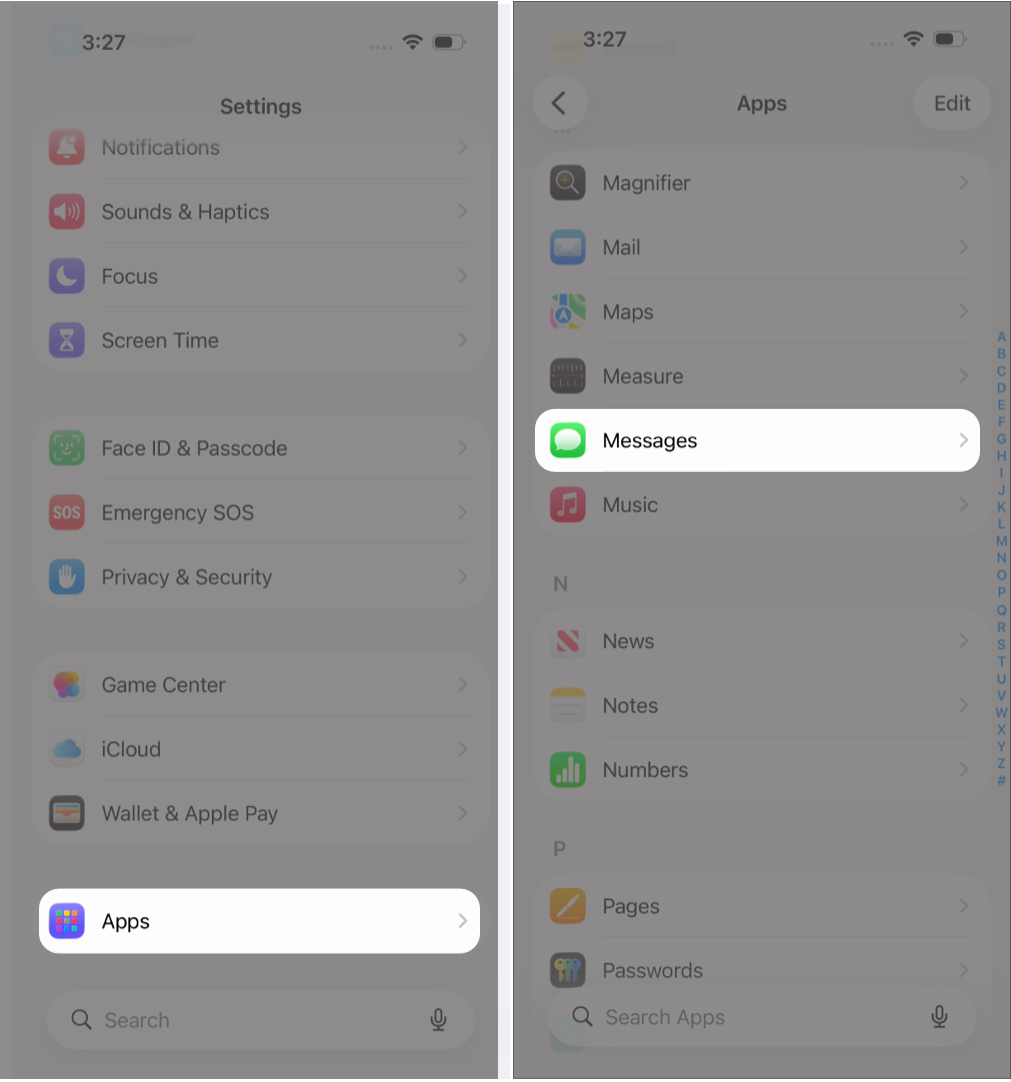
- Go to Settings > Apps > Messages.
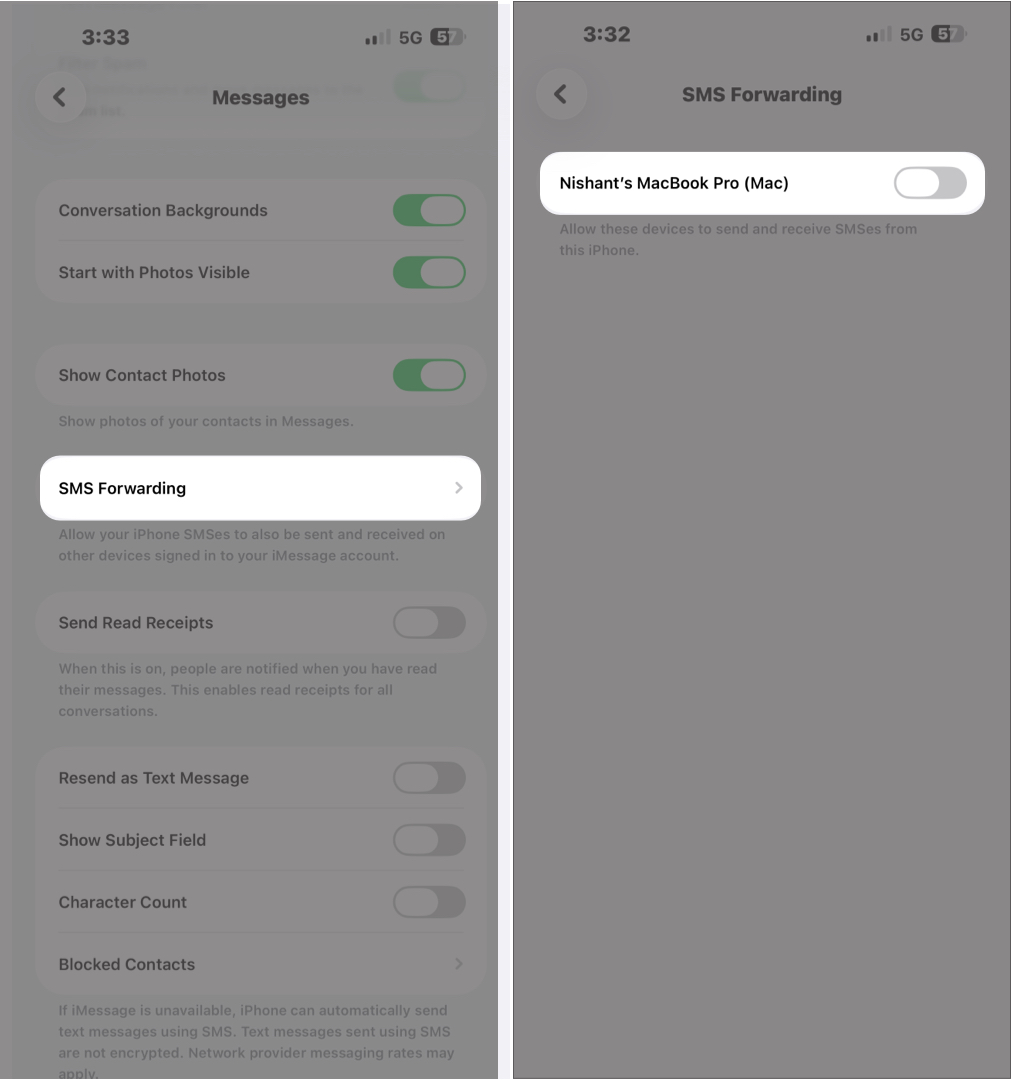
- Tap Text Message Forwarding.
- Toggle on your iPad and Mac.
How to Manage Message History and iCloud Storage
- Deleting a message on one device removes it everywhere once syncing is complete.
- You can keep messages Forever, For 1 Year, or For 30 Days. To change this, go to Settings > [Apple ID] > iCloud > Messages and select Keep Messages.
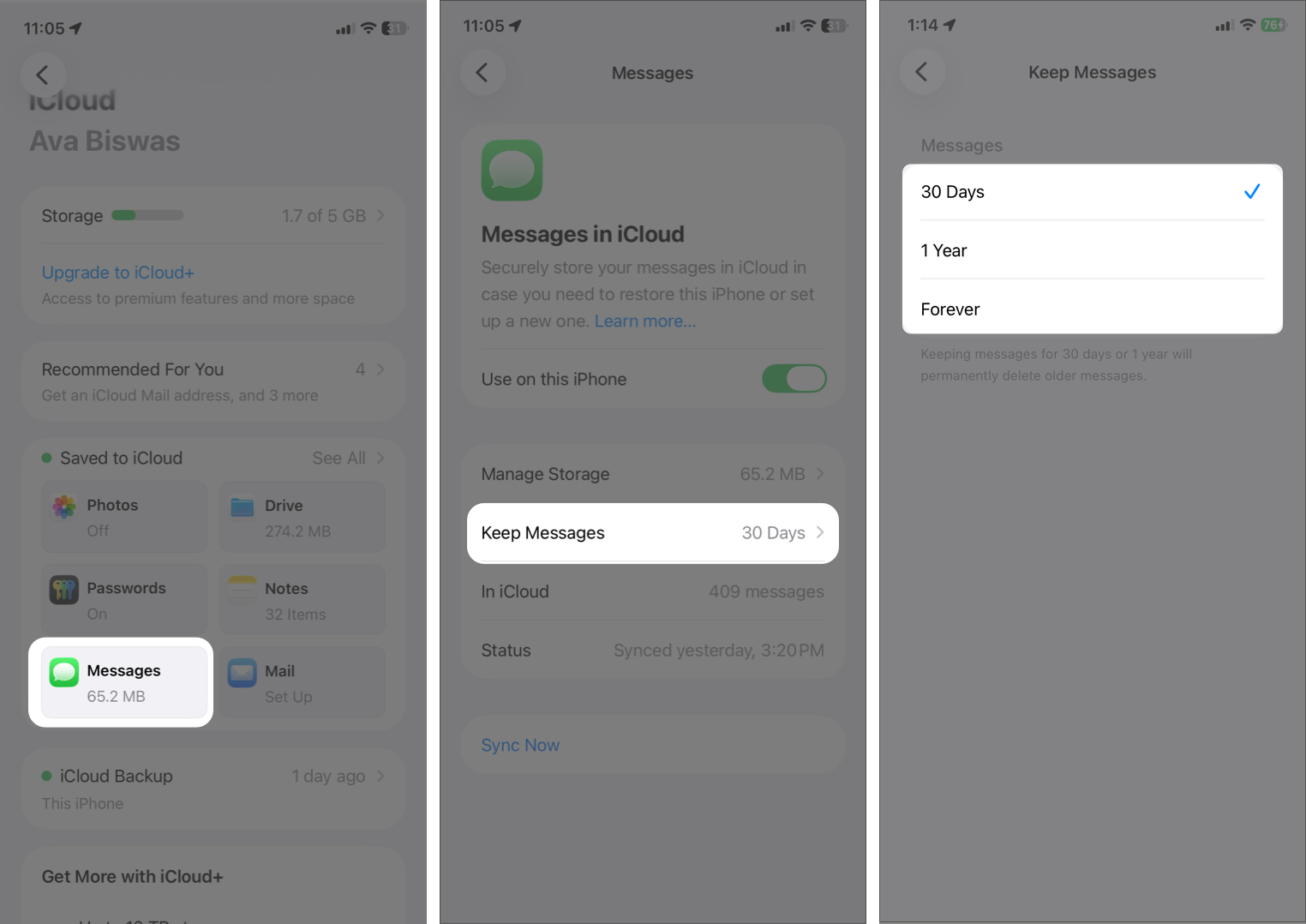
- To reduce iCloud storage usage, delete large attachments, remove old conversations, or adjust message retention settings.
- You can also turn off Messages in iCloud without deleting messages already stored locally on your device.
Fix Messages Sync Issues Between iPhone, iPad, and Mac
If messages are not appearing on your iPad or Mac, these are the most common problems and fixes.
1. Messages Not Appearing on Mac or iPad
- Make sure the same Apple ID is used on all devices. Using multiple Apple IDs is the most common cause of sync issues.
- Turn Messages in iCloud off and back on for your Mac and iPad.
- Confirm Text Message Forwarding is enabled on your iPhone.
- Open Settings > [Apple ID] > iCloud > Messages and Sync Now to ensure the latest messages are uploaded to iCloud.
- Update all devices to the latest software version.
2. Sync Stuck or Continuously Updating
- Restart all devices.
- Make sure your iPhone, iPad, and Mac are connected to the internet.
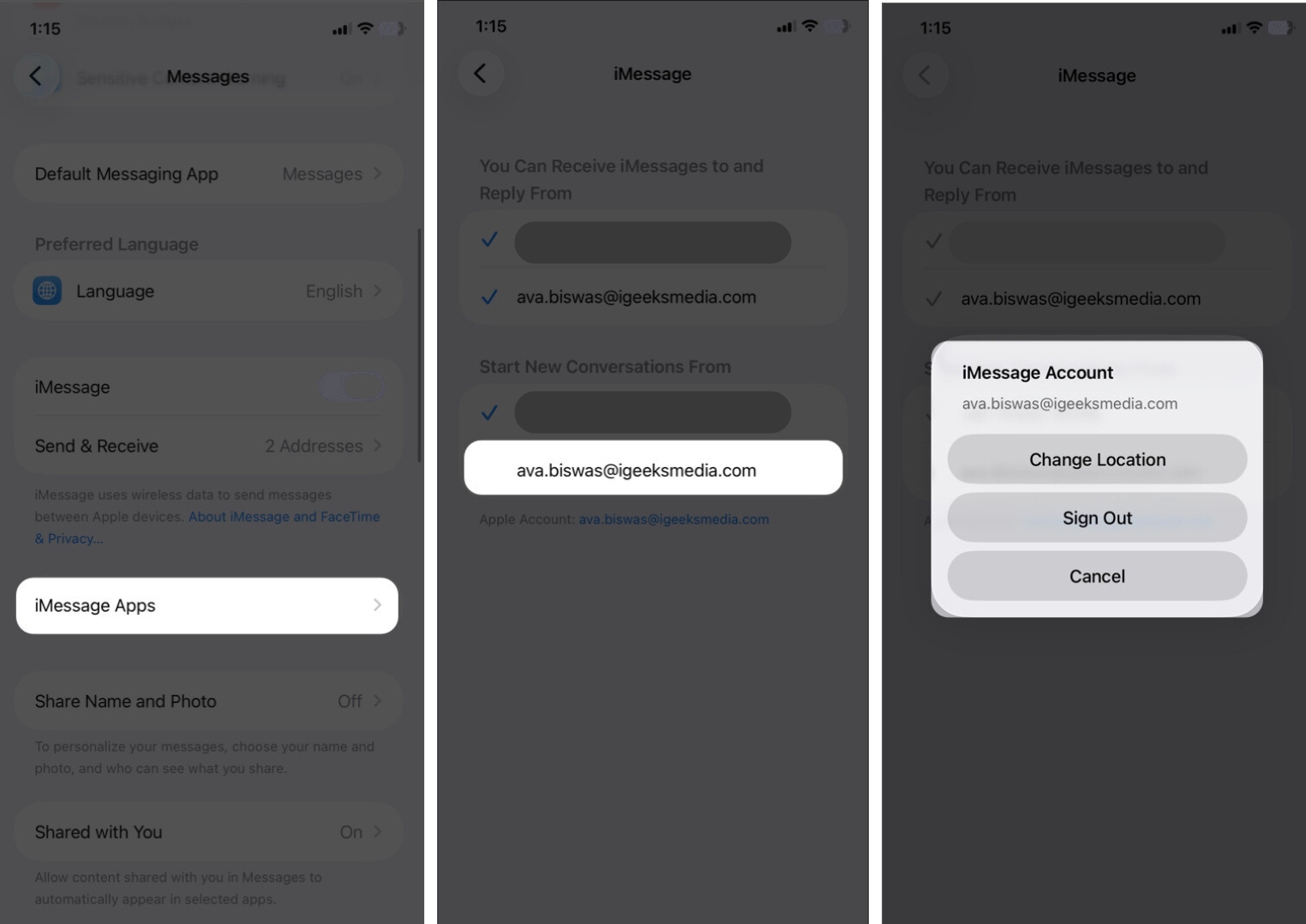
- Sign out and back into iCloud. On your iPhone and iPad, go to Settings > Apps > Messages > Send & Receive and tap on your Apple Account > Sign Out. Similarly, you can sign out iMessage on Mac.
- Check Apple’s iCloud system status.
3. Fixes for Network and iCloud Errors
- Switch between Wi-Fi and cellular data. A strong connection is required for large message histories.
- Turn off any active VPN.
- Reset Network Settings if needed.
- Verify iCloud services are online using Apple’s System Status page.
Final Thoughts
If you regularly use more than one Apple device, message syncing is well worth enabling. Once everything is set up correctly, your conversations stay available wherever you need them, saving time and keeping your inbox organized.
Now that you know how message syncing works, take a moment to check your settings and enable it if you have not already. If this guide helped, share it with someone who switches between Apple devices and explore more Apple tips to get the most out of your iPhone, iPad, and Mac.
FAQs
Yes. Once synced, deleted messages are removed from all devices.
No. iCloud is required for real-time iMessage syncing. Only SMS, MMS, and RCS messages can sync without iCloud using Text Message Forwarding.
Messages will sync automatically once the device reconnects to the internet.
The post How to Sync Messages Between iPhone and Mac (iMessage, SMS, MMS, RCS) appeared first on iGeeksBlog.”}]]



This Post Has 0 Comments