
 [[{“value”:”
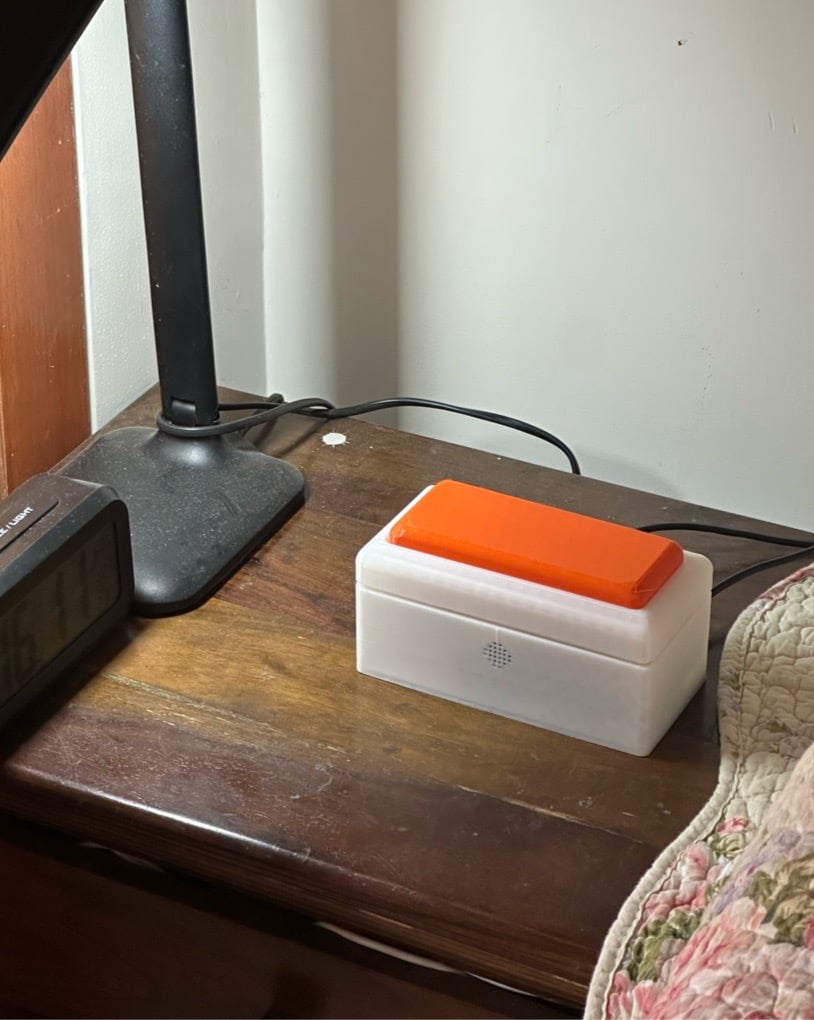
This incredibly simple Raspberry Pi 5 build by Ansh Trivedi is still on our minds from the latest issue of Raspberry Pi Official Magazine. It may have been easy to make, but it got us thinking about our reliance on technology, and we thought you’d like it too.
“Phones have been proven to be the worst things ever. Well, actually not, but they have their own set of disadvantages and, honestly, using the phone at night is just bad.” So says Ansh Trivedi, whose device, the Thought Catcher, uses a Raspberry Pi 5 to help users sleep better, feel better, and generally live more productive lives. No, really!
The smartphone is extremely useful, but its curse is that, for all its features, it’s second-best at so many of them. Despite this, it has all but crowded out the landline, the wristwatch, and the notepad — and we’re all the poorer for it.
Ansh recognised the inherent failings of the smartphone, and realised that it’s far better to have a device that does one thing and does it well; for Ansh, that meant making a nocturnal note-taker. The problem with any phone is that it’s designed to get information into your head, with bright lights, notifications, vibrations, and beeps. Give it more attention and it rewards you with more beeps and bleeps, and before long you’re arguing with someone in New Jersey about who the best super-middleweight of the 1990s was, when all you wanted to do was make a note for your future self to take the bins out. It’s exhausting — and that’s before you get to the bright blue light disrupting your sleep patterns.
“Even when kept far from the bed (which I actually try to do), reaching for a phone breaks the fragile ‘almost asleep’ mental state,” says Ansh. “I didn’t need a better notes app. I needed a different way of taking notes. Especially the ones at night.”
The Thought Catcher uses whisper.cpp for offline speech-to-text. Python code running on a Raspberry Pi 5 categorises the thought, generates a headline, looks for keywords, and loops continuously, looking for button presses.
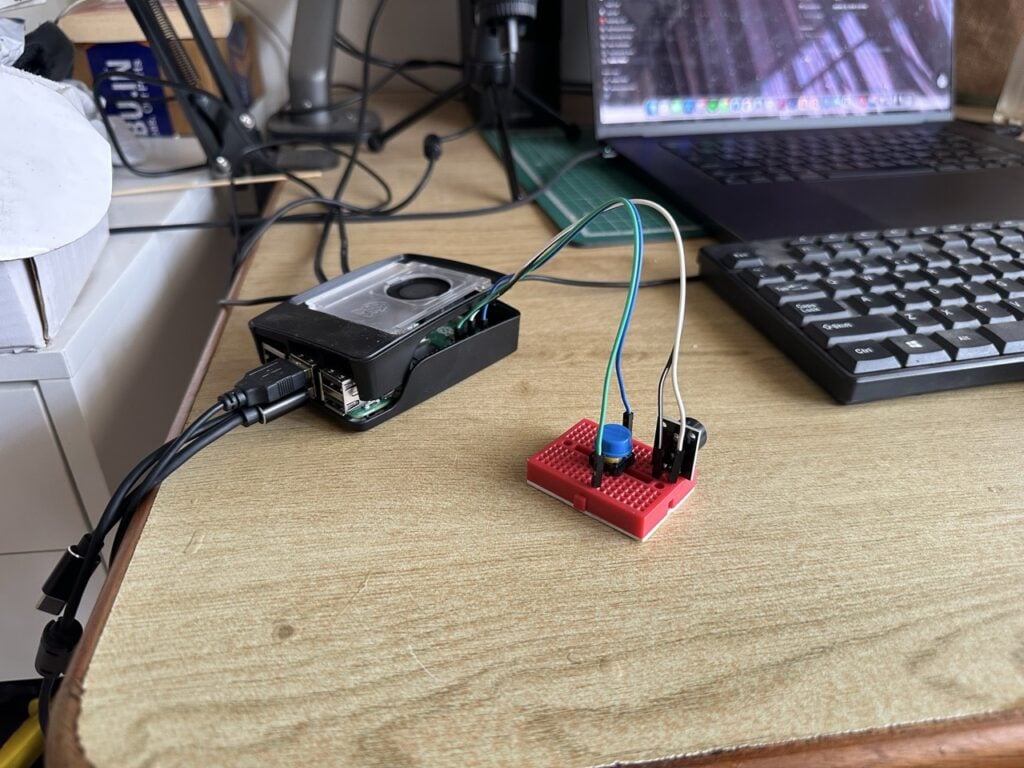
Besides a Raspberry Pi 5, the hardware comprises a physical button, a microphone, and a buzzer, all housed inside a 3D-printed case.
The post Phone-free thought catcher appeared first on Raspberry Pi.
“}]]


This Post Has 0 Comments